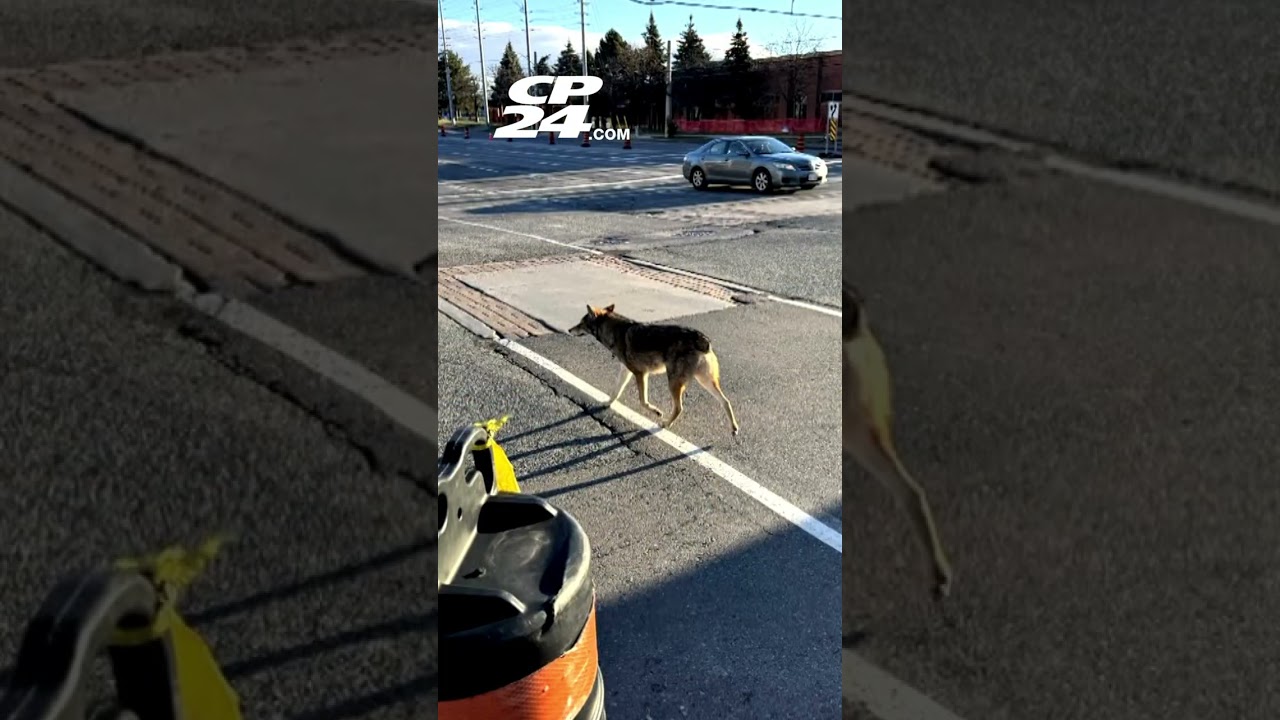
Wildlife Interaction Warning in Mississauga: The Case of Bunny the Coyote
In recent weeks, Mississauga residents have been reminded of the complexities of urban wildlife interaction, particularly with the notable presence of a coyote named Bunny. This animal, characterized by her distinctive missing tail, has made a lasting impression on the communities of Mississauga and Etobicoke. As sightings of Bunny continue to rise, municipal authorities are urging residents to reconsider their actions, particularly in relation to feeding wildlife.
Bunny’s frequent appearances have sparked a discourse about food conditioning among urban coyotes. According to experts, Bunny represents a growing trend: wildlife that has learned to associate human behavior, vehicles, and bustling environments with a reliable source of food. Consequently, her tendency to wander into plazas and neighborhoods is not merely a search for companionship but a learned behavior aimed at finding easy meals.
The city is taking this situation seriously, emphasizing that feeding wildlife can have dire consequences not only for the animals involved but also for the safety and wellbeing of residents. In fact, feeding wildlife in Mississauga carries potential penalties ranging from a fine of $365 to as much as $100,000. Such regulations are in place to discourage residents from treating wildlife as pets, thereby fostering a more natural and safer coexistence between humans and animals.
Understanding how to respond should one encounter Bunny—or any coyote, for that matter—is vital for community safety. City officials advise residents to remain calm in such situations. The instinctive reaction to flee when confronted by wildlife is not recommended. Instead, residents should focus on making themselves appear larger and vocal. By raising arms, shouting, and waving, individuals can assert their presence, which is often enough to encourage the animal to retreat.
This cautious approach recognizes that these animals, including coyotes and foxes, are integral parts of the ecosystem. They play roles in managing populations of smaller mammals and rodents. However, their increasing proximity to human activities necessitates a fine balance between respect and caution. Understanding the behaviors of these animals is essential for maintaining that equilibrium.
It is imperative that residents take these warnings seriously, as the implications of habitual feeding extend beyond individual encounters. When wild animals become reliant on human-provided food sources, they lose their natural hunting instincts. This behavior not only endangers the animal but can lead to safety risks for the surrounding community. A coyote that relies on humans for food may become bolder in seeking out closer interactions, which could lead to aggressive encounters.
The situation with Bunny serves as a catalyst for broader discussions about urban wildlife management. As urbanization continues to encroach on natural habitats, understanding and navigating wildlife interactions is a pressing concern for city planners, wildlife experts, and residents alike. Educational campaigns about responsible behavior in relation to urban wildlife can cultivate a culture of respect and awareness that benefits all parties involved.
Furthermore, encouraging residents to report wildlife sightings without engaging in harmful practices like feeding will ultimately lead to a healthier ecosystem. Every sighting of Bunny is an opportunity for community education. Local authorities could leverage these moments to bridge the gap between humans and wildlife, promoting strategies that allow both to thrive in shared spaces.
In summary, the ongoing presence of Bunny the coyote in Mississauga highlights the need for a thoughtful approach to wildlife interactions. By recognizing the risks associated with feeding wildlife and understanding appropriate responses to encounters, residents can foster a safer environment. Ultimately, both humans and wildlife can coexist harmoniously, provided the right measures are taken to respect boundaries and instincts.